Can’t Sleep When Hungover? Rest Easy After Drinking
If you can’t sleep when hungover, you’re not alone—alcohol disrupts your body’s natural sleep cycle, leaving you restless when you need recovery the most.
We understand how tough it is to protect your energy and keep your mornings productive, so we’ve created a guide to help you:
Make sense of why you can’t sleep when hungover and what’s happening in your body
Identify the nutrient losses, like key B vitamins and electrolytes, that keep you tossing and turning
Discover sleep-friendly, science-backed strategies to restore rest and support your wellbeing
Understand Why You Can’t Sleep When Hungover
If you wake up wired, sweaty, or exhausted after a night out, you’re not alone. Alcohol hijacks your sleep quality, making it a struggle to recover and perform the next day. Here’s why this happens, and why hangover insomnia is so relentless.
The Real Reasons You Lie Awake:
Alcohol cuts into deep and REM sleep, leaving you with light, broken rest that destroys energy the next day.
Even if you fall asleep quickly, alcohol ramps up your heart rate and can set off sweating, racing thoughts, or sudden wakeups at 3 a.m.
As your body breaks down alcohol, toxic acetaldehyde builds up. This disrupts restorative brain activity and leaves you feeling restless well into the morning.
Losing key electrolytes and B-vitamins, as shown in studies and highlighted on ez-lifestyle.com, drains your system and triggers overnight wakeups or muscle cramps.
Genetics play a big role, too. If you process alcohol slowly due to ALDH2 variants, acetaldehyde hangs around longer. This leads to more pronounced symptoms like throbbing headaches, red face, and sleep that never feels refreshing. It’s not just bad luck. Your body is wired to react this way.
Research shows that even moderate drinking can fragment your sleep for hours and trash your next-day focus.
Explore the Science: How Alcohol Triggers Sleeplessness After Drinking
Alcohol’s effect on your nervous system isn’t just about that initial buzz or drowsiness. As soon as the sedation fades, a surge of alertness sets in—leading to chaos in your sleep architecture.
Core Disruptions to Sleep Quality
Alcohol boosts GABA, knocking you out fast, but then REM and deep sleep tank as your body starts to metabolize it.
Inflammation and dehydration make night sweats, frequent bathroom trips, and restless tossing more likely. This is why you're tired yet unable to sleep.
It’s measurable: EEG studies reveal more time spent in Stage 1 (shallow) sleep and wakeful periods, especially in the second half of the night. Stress hormones like cortisol spike, blocking the recovery you count on after a tough week or intense social event.
Our main takeaway? Your body treats hangovers like a withdrawal event. Expect sweating, chills, anxiety, and “wired but tired” feelings. Even people who rarely drink can get hit hard if their metabolism is slow or they’re short on nutrients.
Recognize Common Hangover Sleep Symptoms and Their Duration
You’re here because you want to know exactly what’s making you restless, uncomfortable, and unable to get decent sleep. Let’s break down how hangover sleep disruption usually hits.
The Typical Hangover Sleep Experience
Middle-of-the-night wakeups and racing thoughts keep you glued to your pillow, not your dreams.
Night sweats and frequent bathroom trips break up whatever sleep you manage.
Heart pounding or vivid dreams? These are due to REM rebound and your body “catching up” as the sedative drug wears off.
Next-morning is a struggle: You wake up exhausted, groggy, and maybe irritable or unfocused, no matter how much time you spent in bed.
These symptoms can last up to 24 hours, especially without deliberate action to recover. For some, sleep efficiency drops, leaving you frustrated and wondering why your rest just won’t restore you. Worse if you’re genetically prone to slow alcohol metabolism—you’re bound to feel restless, nauseous, and sweaty even longer.
You can spend plenty of time in bed, but your brain and body still miss out on actual restoration.
Discover What Actually Helps You Get Quality Sleep After Drinking
Getting good sleep after drinking requires a targeted approach. Going to bed and hoping for the best doesn't cut it. You need to attack dehydration, nutrient loss, and inflammation head-on.
Tactical Steps for Better Sleep Recovery
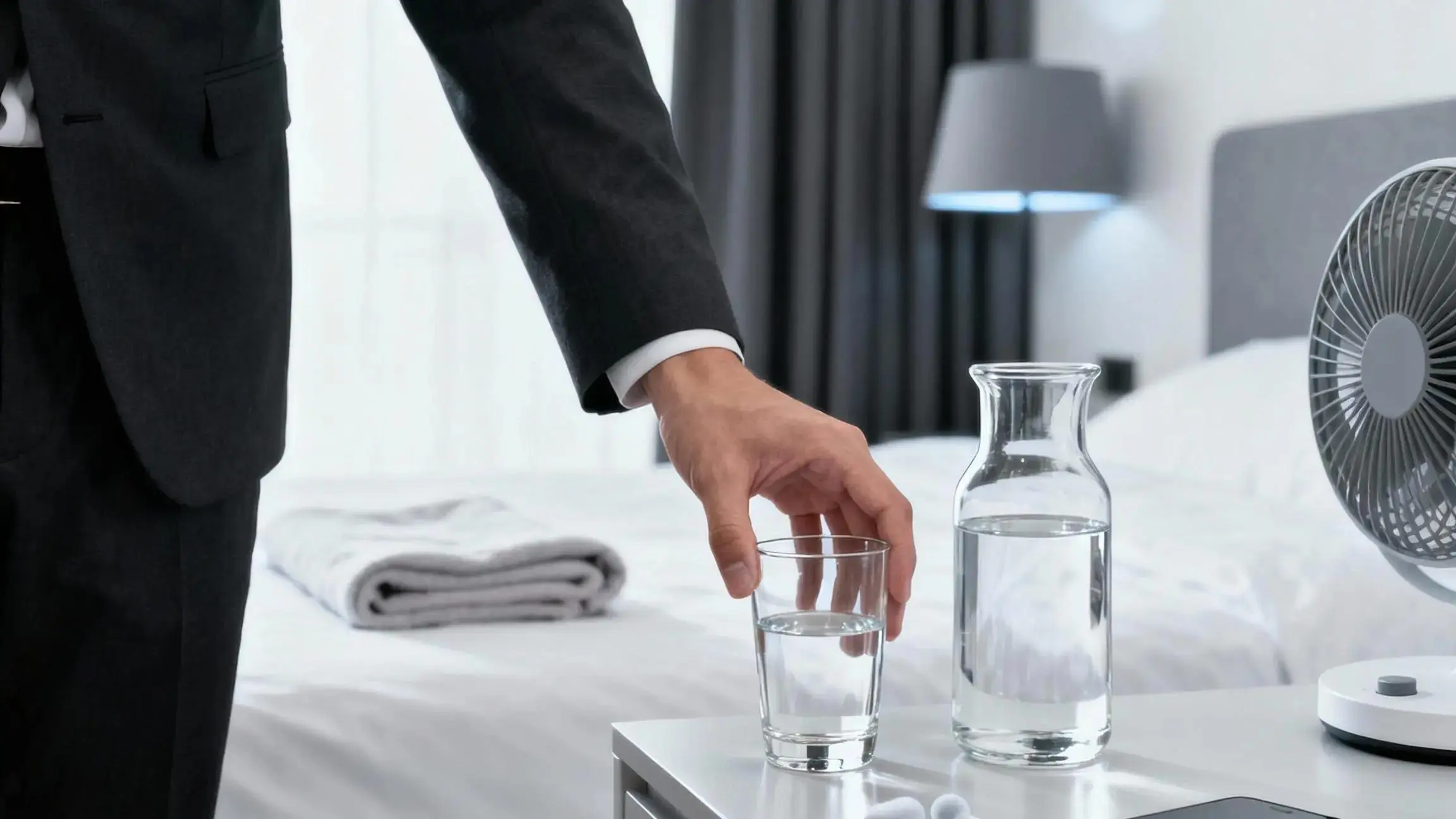
Hydrate with water or electrolyte drinks right after your last beverage. This directly combats thirst and prevents middle-of-the-night wakeups from dehydration.
Use supplements that replenish B vitamins, magnesium, and zinc. Over EZ’s carefully engineered blend works here, supporting nerve and muscle function and fighting the worst hangover triggers. We designed this with specific B vitamins and minerals because losing them is a huge driver of post-drinking insomnia.
Time your last drink at least 3 hours before bed. This gives your body a head start on metabolism, reducing the worst of the late-night rebound.
Eat a snack with complex carbs to stabilize blood sugar, avoiding those brutal 3 a.m. hypoglycemia dips.
Try herbal aids such as chamomile or ginger (if nausea is an issue) for more relaxed rest.
Not every solution will rescue your sleep instantly every time, but disciplined strategies and the right recovery steps make a massive difference. Your next morning productivity depends on reclaiming as much real sleep as possible.
Bust Myths and Avoid What Makes Hangover Insomnia Worse
Don’t fall for popular “cures” that do more harm than good. If avoiding hangover insomnia is a priority, then sidestepping common mistakes is just as important as building a recovery routine.
Myths and Mistakes to Ditch Right Now:
Drinking more alcohol the next morning (“hair of the dog”) delays hangover symptoms and worsens rebound sleep disruption. It might prolong that buzz, but later, your restlessness and headaches hit even harder.
Relying on caffeine for energy can leave you overstimulated and unable to nap or fall back asleep. Late-afternoon or evening caffeine only stacks more sleep problems on top of your hangover.
Using sleeping pills with alcohol still in your system is dangerous. Sedatives and alcohol together may risk breathing issues and deeper grogginess—not actual restoration.
Eating greasy or heavy foods after drinking often creates stomach upset. This can keep you tossing and turning, rather than soothing your system.
Quick fixes that mask symptoms do nothing to heal your brain or restore energy—smart prevention and real strategies are what last.
Real Solutions: What to Do When You Can’t Sleep Hungover
There’s a way to bounce back from hangover insomnia, even if you’re struggling in the middle of the night. Don’t just lie awake and wait; take action.
Quick Steps to Take Control
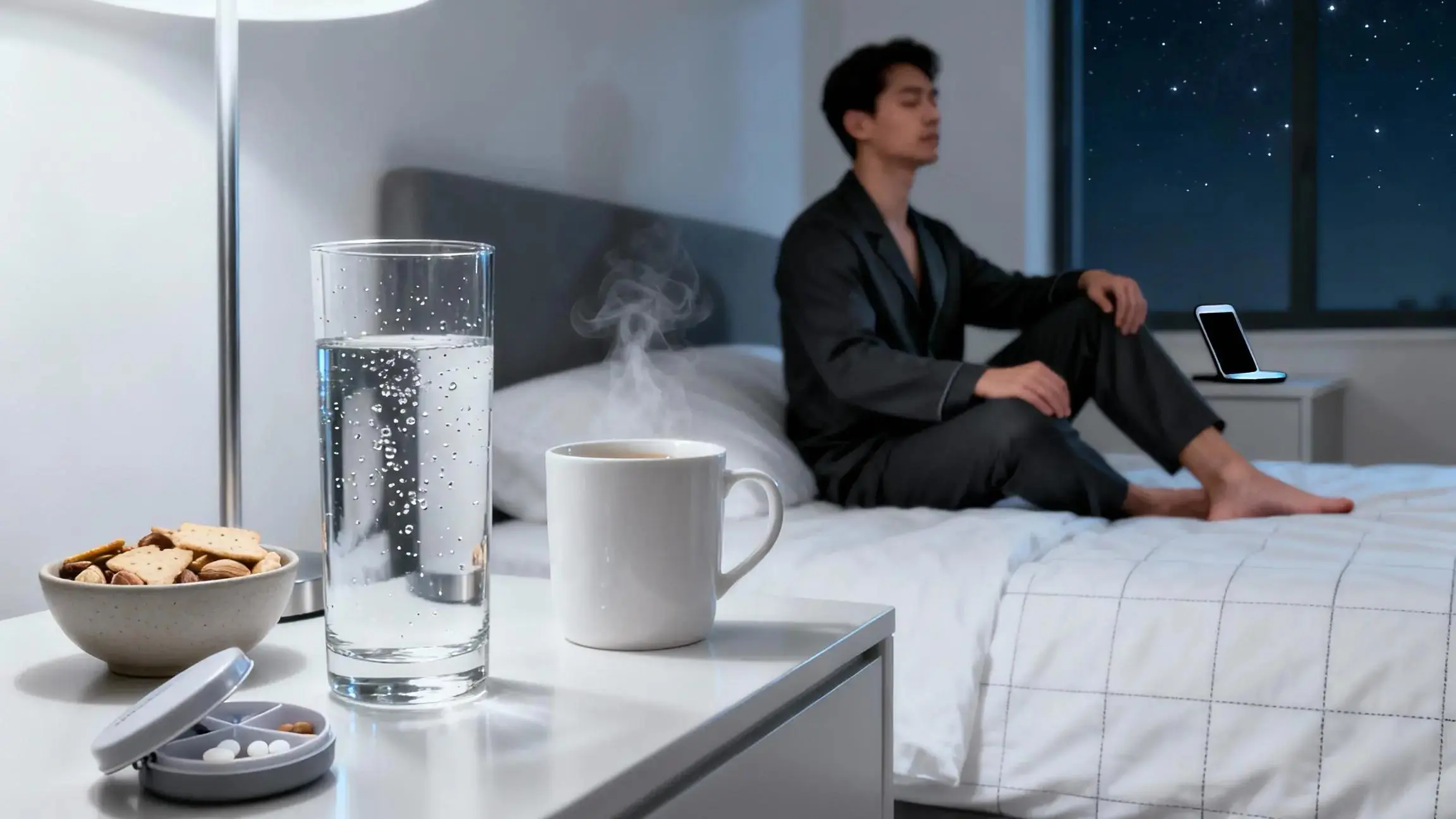
Get out of bed and hydrate. Cold water or an electrolyte drink helps combat sweating and dry mouth.
Practice deep breathing or try mindfulness. Slowing your breathing helps lower your heart rate and eases anxiety.
Brew a calming herbal tea if you feel nauseous—chamomile or ginger are top picks for gentle relief.
Shift to a low-energy activity (like reading with low light) if you can’t sleep. Don’t fight the frustration in bed.
Use a high-quality supplement that targets B-vitamin and mineral loss. Over EZ’s 14-ingredient blend is focus-built for next-day clarity and reduced morning misery, making it ideal for health-conscious social drinkers.
Prevention matters most: Adopt a simple pre-drink system, so you’re not forced into damage control at 2 a.m.
You deserve a strategy to back up your lifestyle. Reclaim your night with discipline, not luck.
Prevention Tactics: How to Sleep Better After Drinking in the Future
If you want to avoid future hangover sleep wreckage, it pays to act before the first sip. Look ahead, set your plan, and protect tomorrow’s focus.
Habits for Sleep and Hangover Defense
Set a clear alcohol cutoff time—stop at least three hours before bed. This is your best move to limit sleep stage disruption.
Hydrate, alternate water with every drink, and avoid caffeinated mixers. These practical moves stave off dehydration and late-night jitters.
Eat a balanced meal beforehand. Carbs, healthy fats, and protein buffer your system and even out alcohol absorption.
Prep your bedroom for rest: Keep it cool, quiet, and dim to send sleep signals to your overstimulated brain.
For next-level protection, start your night with Over EZ. Taking it with your first drink lowers the odds of rough mornings and supports your sleep quality from the inside out.
Proactive routines make better mornings automatic and help you stay sharp, social, and in control.
When to Seek More Help: Recognize Serious Sleep and Hangover Issues
Sometimes bad sleep is a sign of something bigger. Know when another approach is needed.
If hangover insomnia persists, or you notice heart racing, persistent anxiety, or overwhelming fatigue, it’s time to check in with a health expert. Worsening sleep issues after drinking could signal underlying sleep disorders or alcohol sensitivity, especially if they happen repeatedly, even with prevention.
Look for severe symptoms: racing heartbeat, night sweats, or confusion signal a more serious response.
If you notice loud snoring or breathing issues at night—especially those that worsen after drinking—get an evaluation for sleep apnea.
Don’t ignore patterns. Addressing them early keeps your energy high and your sleep on track.
Conclusion: Trade Sleepless Nights for Simple, Science-Backed Strategies
Hangover insomnia isn’t a rite of passage. We help you break the cycle and reclaim real rest by understanding the science, using proactive prevention, and equipping yourself with targeted solutions like Over EZ.
Stop accepting wasted mornings as inevitable. Take ownership of your recovery, protect your lifestyle, and show up as your best—every day after a night out. You don’t have to struggle. Simple steps and a smarter approach can help you feel 80% better, night after night.
Shop Our Best Sellers
Over EZ – Performance Hangover Prevention
Over EZ Hangover Prevention – 12 Pack
Say goodbye to hangovers with our convenient lifestyle pack.




.png)
