Activated Charcoal for Hangover: How It Works and When to Use
Using activated charcoal for hangover relief is a popular topic among health-conscious people who want to enjoy drinks with friends but still feel sharp the next day.
We know how important it is to balance social lives with real recovery, and plenty of myths can make it harder to find a solution.
This guide helps you cut through the noise by exploring:
How and why activated charcoal for hangover became such a buzzword
The actual science behind what activated charcoal does in your body
Why proven hangover relief needs a different approach for consistent results
What Is Activated Charcoal and How Is It Used?
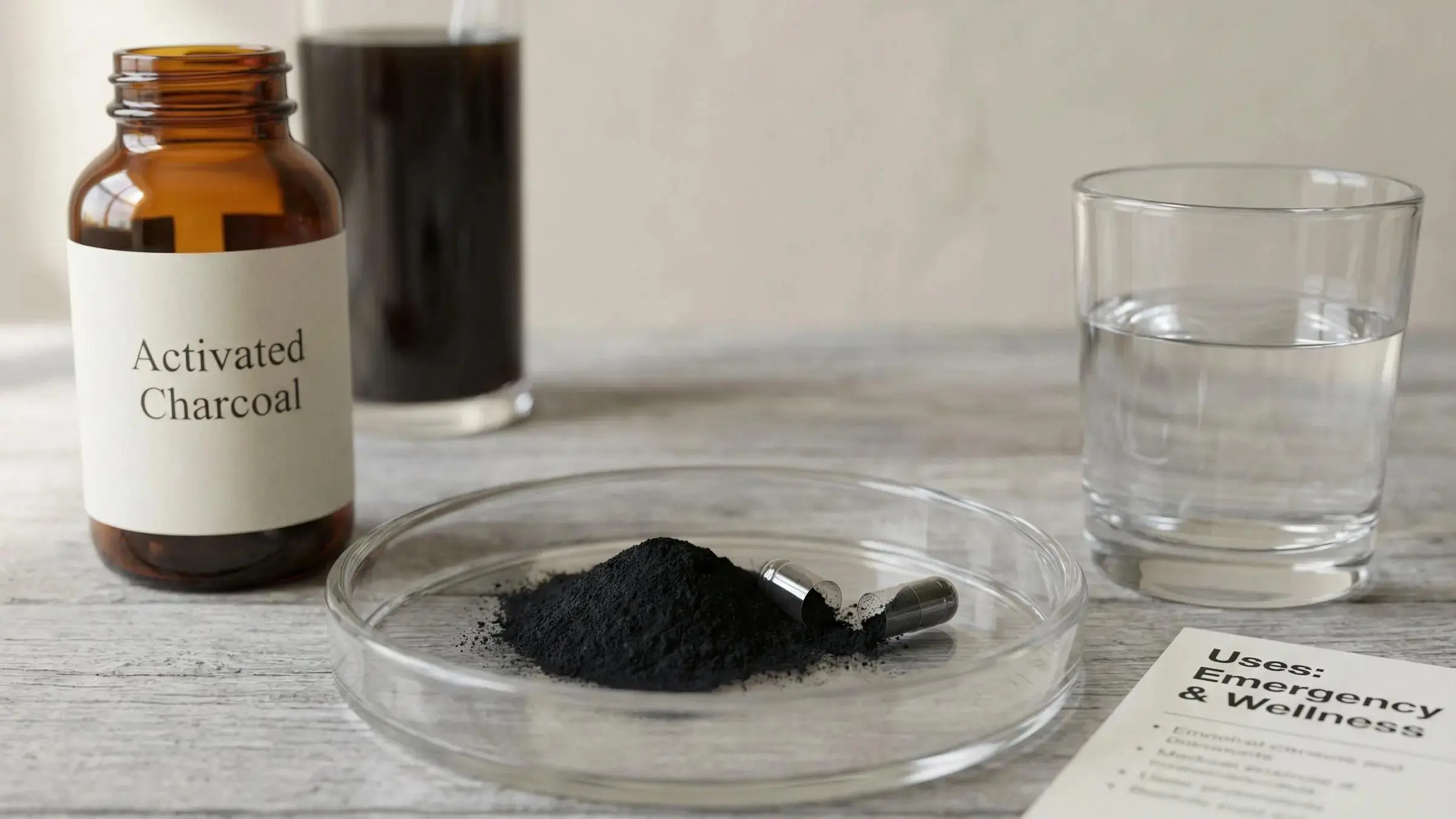
Activated charcoal gets a lot of buzz for hangovers, but most people don’t know what it really is—or if it works for those pounding headaches and queasy mornings after a night out. Let’s break down how this dark, powdery substance fits into both emergency medicine and wellness trends, and why clarity is crucial for health-conscious social drinkers.
Key facts about activated charcoal’s uses:
This isn’t regular BBQ charcoal. It’s made by superheating carbon-rich sources like coconut shells or wood to create millions of microscopic pores.
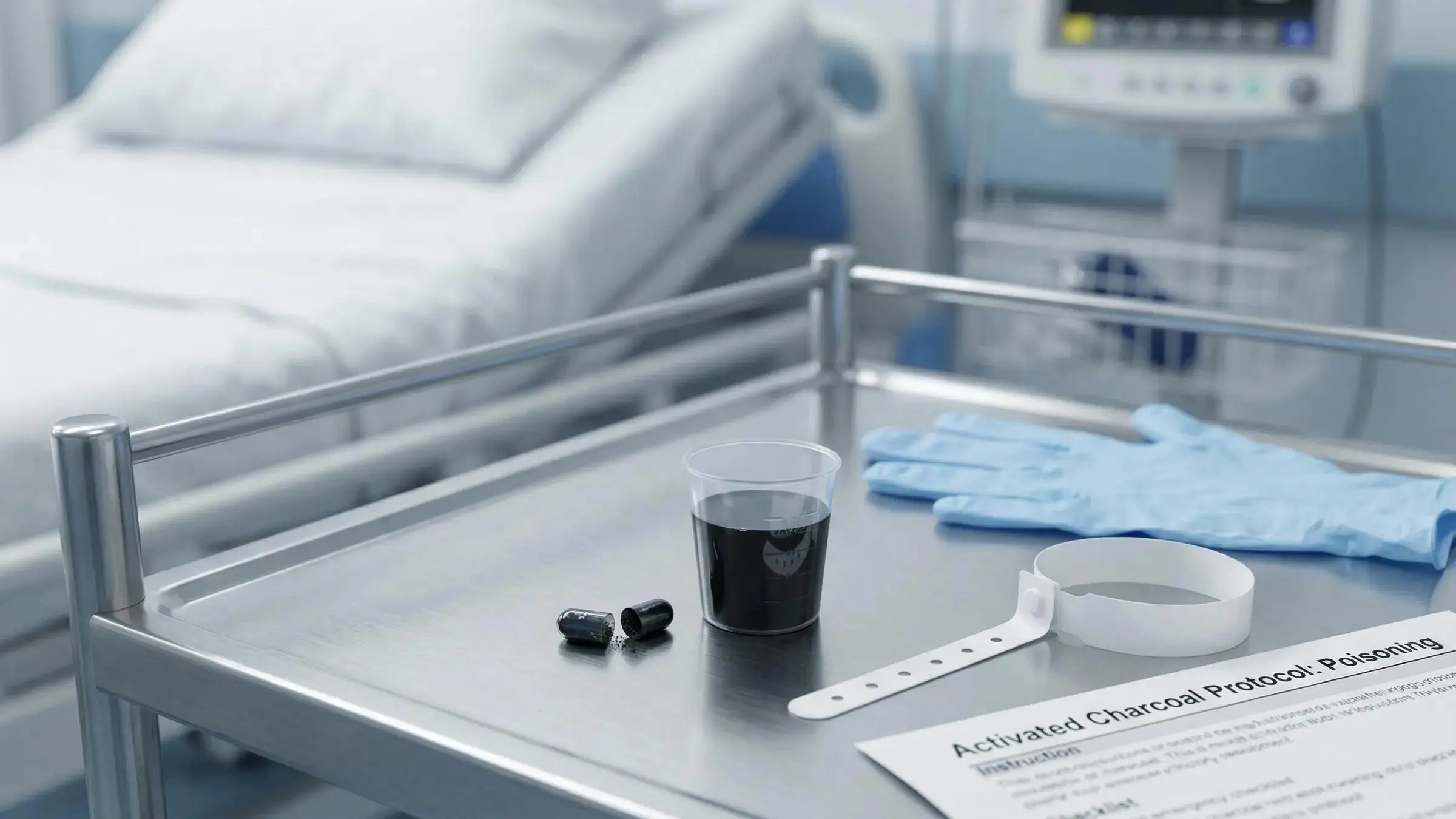
Medical teams rely on it in emergencies, like drug overdoses or poisonings, because those pores trap certain toxins in your gut before your body absorbs them.
Over-the-counter, you’ll find it in capsules, powders, or trendy black drinks, but the dosages here are a fraction of the amounts used by clinicians—and the regulation is lax.
Some see “toxin absorption” and think hangover magic. At Over EZ, we get why you want fast relief, but we’re all about science-backed, evidence-first ingredients proven to help against headaches, brain fog, and nausea after drinking.
Safety research shows short-term, oral use is “likely safe” for most healthy adults—but if you’re pregnant or on medication, always talk to your doctor.
Activated charcoal is powerful in critical clinical scenarios, but using it for hangover prevention is a different story—timing, dosage, and what you want it to absorb all matter.
How Does Activated Charcoal Work Inside the Body?
Understanding how activated charcoal interacts with your digestive system is key if you care about adding only what works to your supplement stack. Science cuts through hype here.
The Science of “Adsorption”
Activated charcoal works by “adsorption” (not absorption). It traps molecules on its surface rather than soaking them up like a sponge.
It binds best with large organic toxins or drugs, like certain sedatives or antidepressants.
Poor at snaring alcohols (ethanol), acids, metals, or most small, water-loving molecules.
Timing is crucial. Charcoal only works if it meets the toxin in your gut before your body absorbs it, usually within 1–2 hours of ingestion.
Clinicians pick charcoal for patients who take too much of specific drugs by mouth—not for routine gut “detox” or after alcohol is already coursing through your system. That’s why protocols in emergency rooms are strict about who gets it and when.
Does Activated Charcoal Work for Hangover Prevention or Relief?
Let’s crush this myth with real-world evidence. Many people think activated charcoal can “soak up” alcohol or clear out whatever’s causing that next-day fog. The truth: it just can’t do the job you want.
Why activated charcoal doesn’t help with actual hangover symptoms:
Alcohol enters your bloodstream fast—often before charcoal can bind it.
Clinical studies confirm: no consistent reduction in blood alcohol levels when people take charcoal after drinking. Sometimes, BAC even nudges up slightly in these trials.
Charcoal can’t touch acetaldehyde, the byproduct linked to hangover pains, because it forms in your liver, not your gut.
Research and trusted medical resources—yes, including WebMD—agree: there’s no solid proof charcoal capsules prevent next-day misery.
Good news if you accidentally ingest a chemical with that questionable cocktail—charcoal may still help in rare poisoning situations. But for classic hangover symptoms? No dice.
Don’t let easy marketing claims steal your time or money. Activated charcoal isn’t built to target the root causes of hangovers.
What Are the Potential Risks and Side Effects of Using Activated Charcoal for Hangover?
You value your health and want credible solutions for hangover relief. That means knowing the downsides and risks of activated charcoal—so you can decide with confidence.
Potential side effects and safety cautions:
Common issues include constipation, black stools, and sometimes nausea. The more you take, the higher your risk for gut discomfort.
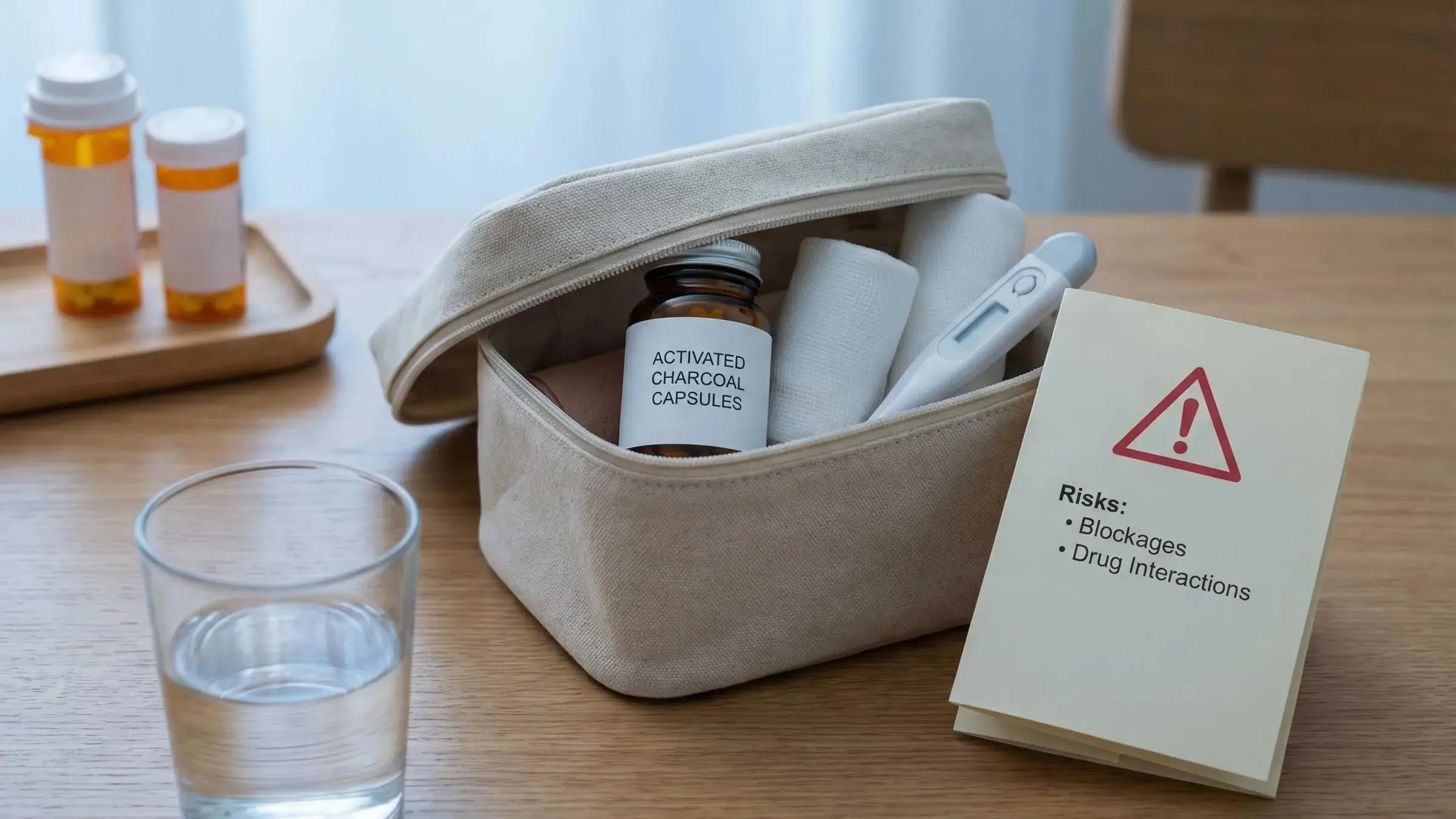
In rare situations, charcoal creates dangerous blockages in people with slow digestion or prior GI issues.
It doesn’t play nice with most oral medications—trap those pills alongside the supposed toxins, and you could lose effectiveness. This is especially risky with birth control or chronic therapies.
It can block nutrients if used too often, leading to subtle but real health problems down the line.
Charcoal can cause lung problems if inhaled while vomiting, which is a real risk when mixing with alcohol.
Unless you’re under clinical supervision for a poisoning, charcoal is simply not a safe everyday fix for hangover or “detox” routines.
Safe hangover relief starts with solutions that support your body, not products that gamble with your health or nutrient balance.
Why Do People Think Activated Charcoal Cures Hangovers?
It’s easy to see why activated charcoal grabbed the wellness spotlight. Trendy black cocktails, “detox” promises, and wellness influencers made it sound like a universal fix. But when you want to keep your head clear after drinks, you deserve real solutions, not empty trends.
Common Myths and the Psychology Behind the Hype
Myths about charcoal often stick because they’re simple and catchy:
If activated charcoal “works in the ER,” it must work for hangovers, right?
Marketers shout about “toxin absorption,” skipping details about what it can actually trap.
Influencer testimonials on social media amplify social proof, making weak science feel like common sense.
Stories of “waking up fresh” after taking a charcoal pill spread fast—but controlled trials tell another story.
People love easy fixes, and the visual of black capsules “soaking up toxins” seems logical at a glance. No surprise, then, that activated charcoal products exploded into the wellness space.
But myths fade quickly when you focus on what your body really needs for recovery. A strong and healthy next morning comes from supporting your natural repair—not playing catch-up with one-size-fits-all trends.
What Are Proven Alternatives for Hangover Relief?
If you want to enjoy your night and show up strong the next day, targeted prevention beats “detox” guesswork. Science-backed methods offer peace of mind and better results.
Key Habits and Solutions for Real Hangover Prevention
Hydration is your first defense. Water before, during, and after drinking keeps dehydration and headaches in check.
Eat before you go out. Food slows alcohol absorption, giving your system more time to keep up.
Smart ingredient support matters. Nutrient losses, inflammation, and toxic byproducts all factor into classic hangover misery.
Over EZ makes prevention focused and practical. We use ingredients like L-cysteine to boost glutathione for alcohol metabolism, milk thistle for liver support, and B-vitamins plus magnesium to replenish what your body loses during a night out.
Our satisfaction guarantee is about trust—you deserve to wake up refreshed, or you get your money back.
When you’re proactive, you’re building real resilience, not relying on fads.
Relief is about preparation and targeted support, not cramming in a “detox” pill once symptoms hit.
When Should You Actually Use Activated Charcoal?
Charcoal does have its place in medicine, just not in the average hangover toolkit. Emergency rooms still use it, but always with the right supervision, timing, and substance in mind.
Legitimate Use Cases for Activated Charcoal
Acute poisoning or certain drug overdoses, if administered within 1–2 hours and under medical direction.
It’s pointless for substances already absorbed, like alcohol in your bloodstream.
Never self-administer for a hangover. Risks spike when dosing isn’t controlled.
Always talk to a healthcare professional before considering charcoal for any scenario.
Your day-to-day health strategies and hangover plans should target what your body actually needs—a tailored, nutrient-based approach proves more effective, safer, and repeatable.
Conclusion: Choose Evidence Over Hype for Hangover Prevention
We know you want to show up clear-minded, focused, and ready to move. Activated charcoal isn’t the shortcut to that outcome. The science is clear: it won’t impact alcohol metabolism or undo the causes of classic hangover symptoms.
Instead, choose prevention that puts your body’s biology first—nutrient support, smart routines, and hydration all work together for real results. If you want an edge, trust evidence-based products that back up every claim with results and guarantees. At Over EZ, we’re committed to helping you party, recover, and perform without compromise.
Don’t gamble with hype or half-truths. Rely on evidence, empower your mornings, and own your productivity.
Shop Our Best Sellers
Over EZ – Performance Hangover Prevention
Over EZ Hangover Prevention – 12 Pack
Say goodbye to hangovers with our convenient lifestyle pack.




.png)
